


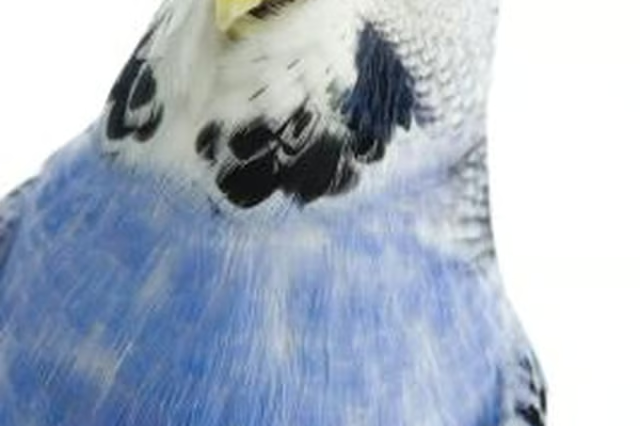
All kinds of things can stress out your parakeet -- loud music, repetitive noises, the addition or loss of a companion bird, a change in diet, even a change of scenery. In many cases, a stressed bird isn't just freaked out or being difficult; he could be sick.
Loud and Mouthy
A stressed-out parakeet may “yell” at you or become a lot more vocal than usual. Your parakeet might be scared or feel threatened -- in the wild, loud squawking is a way to ward off predators. A stressed parakeet may also attempt to tell you he's not pleased about the new pet you just brought home with a similar vocalization.
Puffiness
If your parakeet seems extra fluffy -- not just part of normal feather ruffling and preening -- he could be stressed or even sick. In the wild, parakeets puff up their feathers when they feel threatened, or if they're ill and have lost weight. This puffiness makes them look bigger and less vulnerable to predators.
Feather Plucking
Stressed birds may pluck their own feathers out or gnaw at their feet. Some parakeets can get so stressed that they pluck bald spots on their chests. Have this type of behavior checked by a vet, because plucking is also a sign of mites.
Cage Sitting
A happy, healthy parakeet will stand on its perch, swing or play with his toys. A stressed or ill parakeet may perch on the bottom of the cage. This type of behavior is a sign of stress or an underlying health problem, and it requires a vet's examination.
No Chow
While people stress eat, upset parakeets sometimes do the opposite. Monitor how much your parakeet normally eats so you can tell if he's not cleaning his plate. Remember, your parakeet cracks open seeds and leaves the hulls behind, so check his food container to gauge how much he’s eating.
Weird Behavior
If your parakeet usually lets you hold him but lately flies around his cage, gets freaked out by your touch or tries to bite you, he could be stressed. Your hands could smell different, or there may be an outside factor that's pushing his buttons, like a cat eyeballing him from a shelf or a new puppy barking at him. Observe your surroundings to see if any unusual things are going on that stress your bird.
