


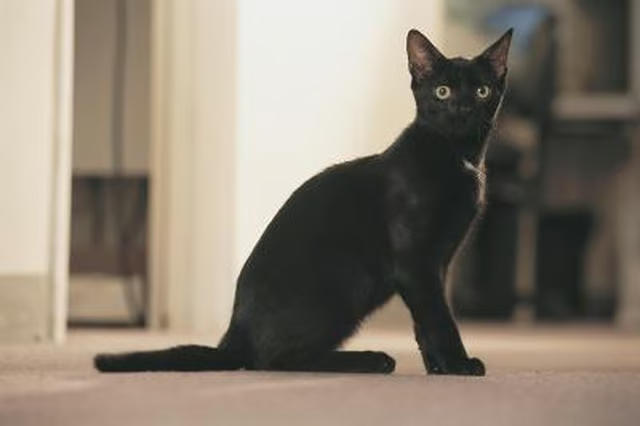
If your little one is experiencing anything ranging from allergy-induced discomfort to kidney disease, her veterinarian might recommend methylprednisolone, an oral anti-inflammatory medication. This glucosteroid is used not only in felines, but also in horses and dogs. Methylprednisolone is available through veterinary prescription only.
What Methylprednisolone Is
Methylprednisolone is a synthetic steroid that is used to manage a wide array of medical conditions in cats, including bronchial asthma, arthritis, flea allergy dermatitis, lupus and hemolytic anemia. It has both allergy-fighting and anti-inflammatory properties. It works by obstructing the emergence of bodily materials that cause allergic and inflammatory functioning.
Common Side Effects
As with any medication, methylprednisolone can bring possible side effects. To address your safety concerns for your kitty, discuss any potential side effects of the medication with your veterinarian first. According to the Veterinary Drug Handbook, side effects of methylprednisolone include elevated thirst and appetite, frequent urination, and possibly behavior that is unusually aggressive. Extended use of the drug might also cause Cushing's disease, with symptoms such as weakness, fur loss and messy-looking coat.
Infection
The Veterinary Drug Handbook states that use of any glucosteroid -- methylprednisolone included -- could make infection more likely in your fluff ball, because of immune system restraint. Speak to your veterinarian about the safety risks associated with increased chances of infection. If a cat has uncomfortable urination or feverish symptoms after taking methylprednisolone, that could be a symptom of infection, so take note.
Cautions
Drugs.com indicates that methylprednisolone is not safe for all cats. If a cat has a peptic ulcer, arrested tuberculosis or acute psychoses, she should not use the drug under any circumstances. Certain ailments call for closely monitored use of the medication. These include congestive heart failure, osteoporosis and diabetes.
The Veterinary Drug Handbook indicates that methylprednisolone might not be appropriate for cats with Cushing's disease because of their pre-existing high levels of cortisol. If your cat has Cushing's disease, your vet might recommend that you avoid glucosteroid medications.
Be sure that your vet is fully aware of your precious pet's full medical history -- , including any allergies, current and past medications -- when you speak about methylprednisolone use. Whether your kitty has kidney disease or is simply pregnant or nursing, make sure that your vet is in the dark about nothing. The safety of this medication depends largely on your cat's individual circumstances.
Never give your cat any medication without the full approval of your vet.
Always check with your veterinarian before changing your pet’s diet, medication, or physical activity routines. This information is not a substitute for a vet’s opinion.
