


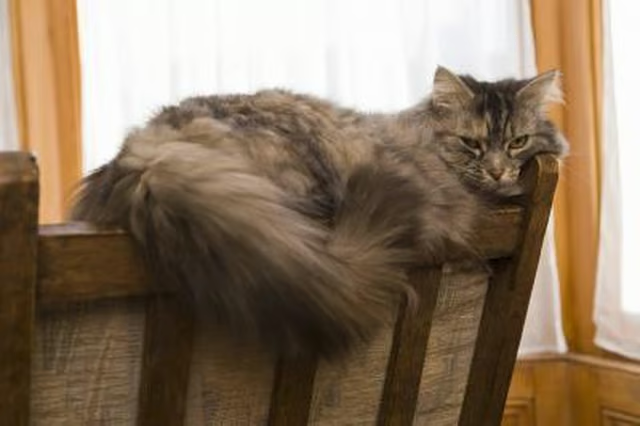
Hairballs are a normal part of being a cat. Most cats have at some time coughed up one of the nasty things, and most of the time, hairballs are harmless. Particularly meticulous kitties who groom themselves obsessively are especially susceptible to the pesky tube-shaped clumps.
Immediate Symptoms
When your kitty is coughing up a hairball, the act is usually very conspicuous. Never fear, you'll definitely know what is going on with your little dear. Pay attention to loud retching, gagging and heaving sounds -- all followed swiftly by the expulsion of a long, slender clump of hair.
Potentially Serious Symptoms
Mostly, hairballs are no big deal. Fluffy hacks them out, and they're history. Fluffy totally moves on, leaving you with the cleanup. However, while it's pretty uncommon, particularly large hairballs can cause an intestinal blockage. If you suspect Fluffy has a blockage, look for key symptoms, including constipation, loss of appetite, stomach upset, diarrhea and exhaustion. If you see such symptoms, take your kitty to the veterinarian as soon as possible.
Throat
Hairballs generally don't affect a cat's throat. In rare instances, however, a large hairball might get caught in your cat's throat, causing a potentially dangerous obstruction. Immediate veterinary attention is an absolute must. Waste no time. Your kitty may also have a minor sore throat after hacking and gagging out the hairy mass, but that's not as serious as the potential obstruction.
Prevention
If you're concerned about hairballs hurting your kitty's throat, take steps to reduce their formation in the first place. One easy and cheap way to do this is by grooming your kitty regularly, even if she thinks she can manage quite well on her own. If you brush your kitty's fur regularly, you remove loose hairs. The less loose hair Fluffy has, the less she will swallow, and the less the chances of a big hairball forming in her stomach. You could also consider getting your pet an exciting new toy to distract her from obsessive licking and cleaning behaviors.
Always check with your veterinarian before changing your pet’s diet, medication, or physical activity routines. This information is not a substitute for a vet’s opinion.
