


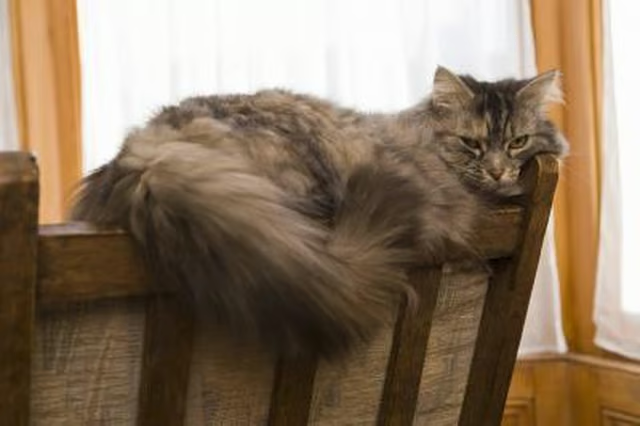
If you've been noticing unusual gastrointestinal distress in your poor fluffball, don't just dismiss it and blame it on her eating too fast or too much. Seriously consider the possibility that your cat may be suffering from feline malabsorption, especially if she is on the elderly side.
What is Malabsorption?
Malabsorption in cats involves the small intestine's inability to absorb nutrients correctly. This problem results from insufficient digestive enzymes within the enzymes. When cats experience malabsorption, it often results in watery fecal matter that consists of significant undigested fat.
Frequent Watery Stools
Frequent watery and loose stools are the key symptom of malabsorption in cats. If you observe that your little one is going No. 2 with a lot more frequency than normal, pay close attention to the messy situation going on in her litter box. If her stools not only are loose, but have a greasy and oily look to them, malabsorption may just be the culprit.
Gas
Gas also can indicate that your poor kitty is dealing with malabsorption. Look out for signs that your pet is suffering from a major tummy ache. Perhaps she is crouching over in pain. She might be yowling and meowing more. Maybe she's just exhausted and cranky. You also may notice pesky flatulence problems.
Appetite Loss
Cats with malabsorption also often tend to lose their appetites. If your cat typically has a ravenous appetite comparable to that of a football player, but all of a sudden ignores her food bowl in favor of sulking in the corner, look into the possibility of malabsorption. As a result of the appetite issue, your cat may also lose a lot of weight in a short amount of time, unsurprisingly.
Throwing Up
Frequent throwing up can also point to malabsorption. Due to food absorption issues, your cat's food may come right back up every time she eats. If you pick up on this symptom, or any other sign of the condition for that matter, seek veterinary attention for your cutie as soon as possible. In many cases, malabsorption is a symptom of another bigger condition -- think bacterial infection or inflammatory bowel disease. The sooner you get help for your cat, the better for the both of you!
Always check with your veterinarian before changing your pet’s diet, medication, or physical activity routines. This information is not a substitute for a vet’s opinion.
