


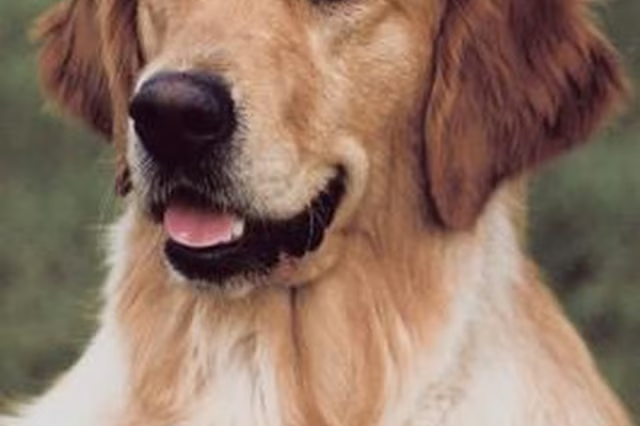
Similar to the eyes and skin, a dog's coat can provide useful hints about the animal's overall condition and well-being. If your precious canine's fur has a less than stellar appearance, it can sometimes be a sign of various health ailments, from pesky cases of fleas to dietary deficiencies.
Dull Fur
Like in people, shiny hair often signifies health and vigor in dogs. If your poor pet's fur has a dull, excessively thin and lifeless look to it, it may just be time to investigate the situation further. Fur dullness sometimes points to insufficient amounts of certain important nutrients in dogs' diets. If you suspect that this may be the case with your pooch, it's time to have a discussion with the veterinarian about putting together a new menu plan for your pet.
Dryness
Rough and dehydrated fur in dogs is also occasionally an indication of a problem. If your pet's fur seems excessively dry and prone to frustrating mats and tangles that make grooming a nightmare, it could be due to a handful of different things, from dietary woes to bathing your doggie with shampoo products that are simply too harsh and aggressive for his delicate skin and fur. Remember, doggie shampoo formulas cater specifically to canines. Shampoos made for humans simply are not appropriate for dog use.
Fur Loss
Conspicuous and clumpy fur loss is a key sign of an unhealthy dog coat. If you notice patches of hairless skin all over your dog's coat, pay close attention. If your dog's hair seems to fall out too readily, particularly during grooming sessions, pay attention too. Not only can doggie hair loss indicate skin allergies, it also can signify bigger health conditions, such as the hormonal disorder Cushing's disease, which is also called hyperadrenocorticism. At the first sign of hair loss in dogs, veterinary attention is crucial.
Greasy Fur
If a dog's fur has a greasy and oily feel to it, it can point to dietary problems. Take your slick pup for a veterinary checkup and consultation. Meal modifications or dietary supplements may be able to manage the oily situation. Never offer your pet any nutritional supplements without getting the approval of your veterinarian first, however.
Dandruff
Although not technically part of the fur, dandruff is usually visible inside of doggie coats. If you run your hands through your dog's fur only to notice unsightly flakes of old and dry skin, dandruff may just be the cause. These icky clumps may not only be noticeable in your pet's coat, but also all throughout your residence, from your living room sofa to the trusty welcome mat by the front door. Since dandruff can have a variety of potential triggers, a veterinary appointment is a must. After all, dandruff can be linked to everything from external parasites to hormone level problems.
Always check with your veterinarian before changing your pet’s diet, medication, or physical activity routines. This information is not a substitute for a vet’s opinion.
