


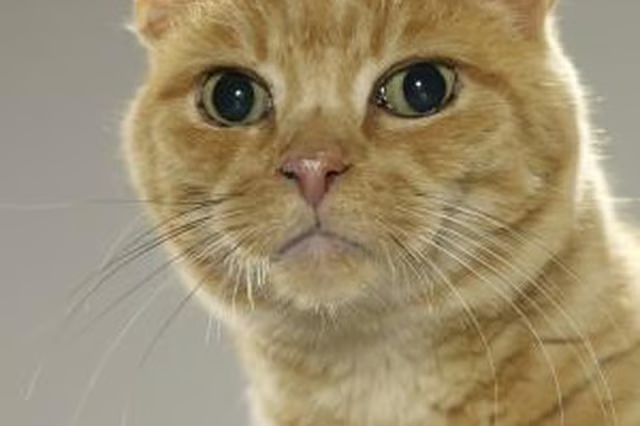
If you've recently noticed that your precious kitty's usually thick, glossy and healthy-looking coat all of a sudden looks like it's missing a little -- or a lot -- of fur, pay close attention. In some cases, feline fur loss may be related to some potentially serious health conditions.
Ringworm
In some cases, the fungal infection ringworm may bring upon loss of hair in felines. Despite its moniker, the contagious infection is entirely unrelated to any worms, but instead involves a fungus that can trigger large and conspicuous spots of hair loss in your pet, particularly on the paws, tail, ears and face. Along with fur loss, redness and flakiness are also prominent signs of the condition.
Anxiety
Anxiety and nerves may also cause fur loss in your little one. When a cat is feeling particularly stressed out, she may resort to obsessive-compulsive behavioral patterns -- think nonstop grooming. If you notice your cat constantly chewing and licking on her coat, it could eventually bring upon unsightly -- and significant -- hair loss, so take note. A wide array of factors could cause anxiety and stress in a cat, from a major move to another city to the death of a longtime canine companion.
Food Allergies
Dietary allergies may also be a culprit in your cat's mysterious shedding, whether she's allergic to wheat, chicken or anything else under the sun. If you're unsure as to what specific food is giving your cutie an allergic reaction, take her to the vet to undergo food allergy trials and uncover the soon-to-be-forbidden food.
External Parasites
External parasites can also induce fur loss in felines. Whether your cat is suffering from pesky ear mites or mange, loss of fur is a frustrating possibility. Be on the lookout for other telling symptoms of external parasites -- think severe itchiness, antsy behavior, obsessive scratching and shaking of the head. The minute you suspect parasites, pencil in a vet appointment for your poor, itchy kitty.
Other Medical Conditions
The ASPCA indicates that a wide array of different health ailments can be associated with unusual hair loss, from hormonal issues to autoimmune disorders. Be safe and smart and get your kitty's fur situation checked out with the veterinarian immediately. The sooner you know what the deal is, the sooner you can get her health -- and fur -- back to its usual glowing perfection.
Shedding
Shedding is a normal and healthy in cats. When a feline sheds, she frees herself of hair that is, simply put, useless and dead -- all totally normal and routine. The hair loss should not be obvious from simply looking at the coat. On the other hand, when you notice big, bald patches popping up all over your cat's fur, shedding is simply not the case.
Always check with your veterinarian before changing your pet’s diet, medication, or physical activity routines. This information is not a substitute for a vet’s opinion.
