


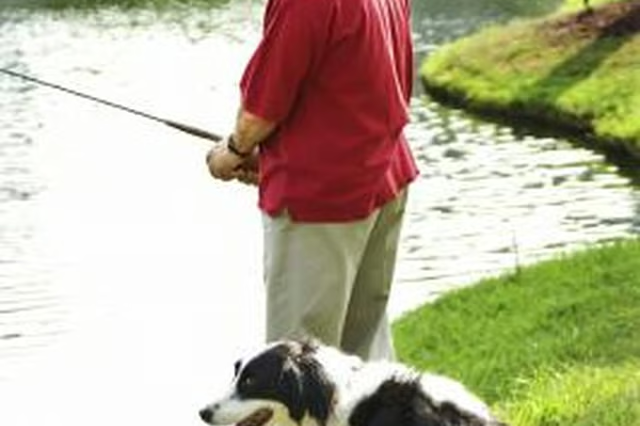
When it comes to eating and drinking unfamiliar things, dogs aren't exactly the most prudent creatures around. Because of that, it's always crucial to monitor your dog's actions, especially in public settings. Drinking pond, lake, river and stream water is a resounding "no-no" for members of the canine species, period.
"No" to Pond Water
Dogs should never be permitted to drink water that comes from ponds. Ponds, along with other bodies of water, can host a variety of unpleasant things that can be destructive to your precious doggie's health, including bacteria, infection-causing parasites, pesticides and poisonous blue-green algae.
Giardia
Giardia is a notable example of a parasitic infection that can arise from unsuspecting pooches lapping up pond water. This specific infection usually manifests itself in the form of digestive distress. If a dog has giardia, you may notice symptoms such as diarrhea, reduced appetite, loss of weight, blood in the stool matter, stomachache, general bodily weakness, exhaustion and throwing up. If you have an inkling that your dog may have contracted giardia, take him in for a veterinary appointment immediately.
Blue-Green Algae
Drinking water that houses hazardous blue-green algae can be life-threatening not only to canines, but also to human beings. Blue-green algae can bring upon serious liver havoc in doggies. If your dog displays any indication of blue-green algae poisoning, seek urgent veterinary care for him. Some signs of toxicity are excessive thirst, passing out, nausea, throwing up, loose stools, confusion, labored breathing and gait issues. If you notice any unusual symptoms in your dog at all after he has been near a pond or other water source, seek veterinary assistance without hesitation.
Types of Bodies of Water
Ponds that contain warm and sluggish H20 are particularly hazardous to dogs, although all bodies of water are potentially threatening to the fluffy guys. If your dog is going to be anywhere near a pond, come equipped with your own personal clean water for him to drink. Water from swimming pools is also a hazard to dogs -- hello, chlorine.
Always check with your veterinarian before changing your pet’s diet, medication, or physical activity routines. This information is not a substitute for a vet’s opinion.
