
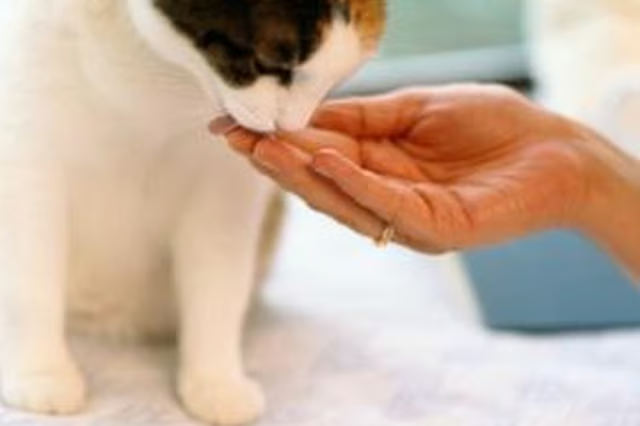
With a dizzying variety of cat foods on the market, it can be a daunting task to choose which one delivers the best source of protein for your feline. Following some simple nutritional guidelines can help you solve this kitty cuisine quandary and make your furry friend a protein powerhouse!
The Importance of Animal Protein
Cats are “obligate carnivores," which means their systems are specifically designed to digest and metabolize animal protein. Unlike omnivorous animals such as humans and dogs, kitties benefit very little from plant-based protein. They also require two to three times more overall protein than omnivores. Animal protein supplies your kitty with essential amino acids, including taurine and arginine, which he is unable to obtain from any other source.
Commercial Options
There are dozens of commercially available cat foods that provide adequate levels of animal protein. Canned cat food generally contains a higher level of protein than dry, though there are dry options that also provide adequate amounts. Check the labels to ensure that the bulk of any food’s protein is animal-based (like chicken or lamb) rather than plant-based (such as corn or soy).
Home-Cooked Options
According to a recent article in the New York Times, more and more pet owners are preparing their own feline food. While cooking up a variety of meat, organs, and other tasty treats might appeal to Kitty’s palate, it is very difficult to “home cook” the exact balance of nutrients necessary for optimal health. Ask your veterinarian what ingredients would be best for your cat.
The Raw Protein Debate
Stray and wild cats get their protein from raw animal protein – but it is raw food the best choice for your kitty? There are differing opinions on feeding a raw diet. While unprocessed food is closest to a cat’s natural diet, uncooked meat is vulnerable to bacterial contamination. The American Veterinary Medical Association (AVMA) “discourages the feeding to cats and dogs of any animal-source protein that has not first been subjected to a process to eliminate pathogens because of the risk of illness to cats and dogs as well as humans.“
