
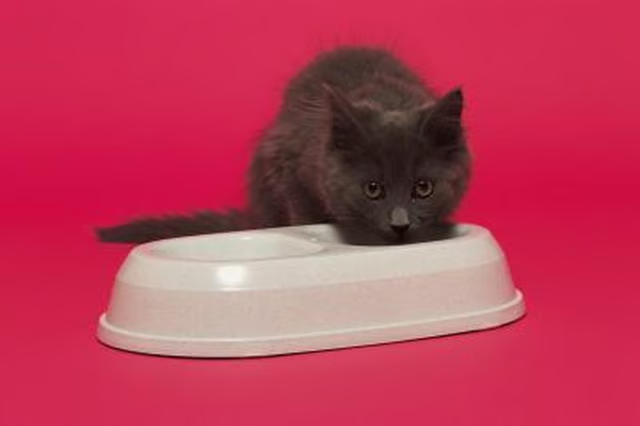
Simply put, dry cat food is nothing like the natural prey that your cat's ancestors lived on. Their bodies adapted to consuming animal protein with a high water content, features dry food often don't have. If your kitty is having trouble digesting dry food, see your veterinarian before changing his diet.
It Is Too Dry
One reason why some cats can't digest dry food is that it is simply too dry. Dry cat food is only about 10 percent water, while canned food averages about 78 percent water. According to Purina, cats who are fed dry food need to drink one cup of water for every 10 pounds of body weight in the average 24-hour period.
It Does Not Contain Enough Animal Protein
Unlike dogs, who are omnivores, cats are classified as obligate carnivores. This means that while dogs, can break down both animal and vegetable protein, cats need muscle-based meats in their diets to stay healthy. Most of the protein in dry cat food comes from plants instead of animals. Because carnivores, like cats, have shorter digestive systems than omnivores, it is harder for them to digest the cellulose that is part of plant cells.
It Is Nothing Like Their Natural Prey
Prey that wild cats live on is 70 percent water. The 10 percent found in dry food is unnatural to their bodies. Another reason for indigestibility is the plant-based protein found in dry food. Plants do not contain taurine, an amino acid found primarily in the muscle meat of animals. This nutrient is essential for cats to thrive.
Digestive Health Problems
Less common reasons why a cat might not be able to digest dry food have nothing to do with the food itself. Certain health problems, such as feline irritable bowel syndrome and liver disease, can cause digestive problems in general. If your kitty is having digestive problems, the safest course of action is to visit your vet to rule out these and all other ailments. He then can recommend the best food for your kitty's specific nutritional needs and lifestyle. Always consult an experienced veterinarian regarding the health and treatment of your pet.
Always check with your veterinarian before changing your pet’s diet, medication, or physical activity routines. This information is not a substitute for a vet’s opinion.
