


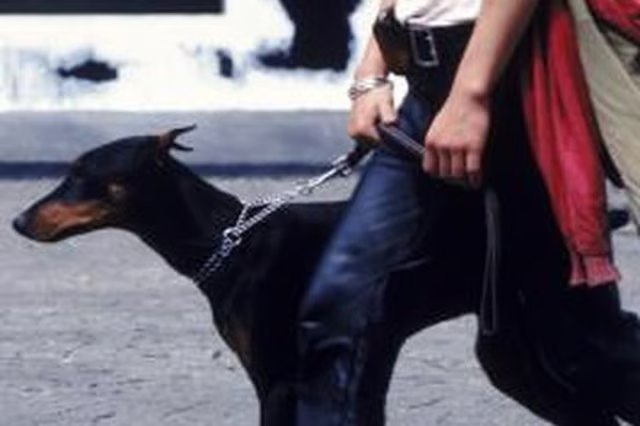
Your Dobie appears so classic, so elegant, with his short, fine coat. If his coat starts falling out, that's naturally cause for alarm. Hair loss, or alopecia, in Dobies generally results from hormonal or hereditary issues. Take your balding pet to the vet for diagnosis and treatment.
Hypothyroidism
Doberman pinschers often suffer from hypothyroidism, resulting from low production of the thyroid hormone from their thyroid glands. One of the primary symptoms is hair loss, sometimes beginning along the dog's back. The Doberman Pinscher Club of America describes it as "the razor back hog look." Hypothyroidism generally occurs in dogs ages 4 years and older. Because the thyroid gland regulates much of your dog's metabolism, hair loss isn't the only symptom. Others include lethargy, muscle wasting, weight loss or gain, dry skin, skin lesions and cold intolerance. Back to hair, your pooch also might experience excessive shedding and little new hair growth.
Treatment
Your veterinarian takes blood samples to test your dog's thyroid levels, along with a urinalysis and X-rays or an ultrasound. If your dog's thyroid levels are low, your vet can prescribe synthetic thyroid hormones. Get use to the meds -- your dog must take them daily for the rest of his life. Most dogs respond well to this therapy. Your Dobie's hair should start growing back about 4 to 6 weeks after beginning the medication.
Color Mutant Alopecia
If your blue or fawn dog loses hair, he's likely a victim of color mutant alopecia, extremely common in colored Dobies. Although these relatively rare colors are prized by some Dobie fans, the odds are good that they'll eventually have bald dogs. Puppies and younger dogs have normal coats, but sometime between the ages of 4 months and 3 years the "colored" parts of their hair start falling out. In addition to hair loss, his skin might become scaly or acne-like pustules might erupt. Although color mutant alopecia isn't curable, your dog can live an otherwise normal life if you take good care of his affected skin. Ask your vet for recommendations for anti-bacterial cleansers and other products to ease skin irritations.
Other Causes
Hypothyroidism and color mutant alopecia are known to affect Dobies, but your dog also could suffer from hair loss common to all canines. These include flea and food allergies, scabies, Malasssezia yeast infection and demodicosis, also known as demodetic mange. Using a monthly topical or oral flea preventive usually clears up a flea allergy, although other issues might require special baths, medication and trial-and-error to stop the hair loss. Your vet takes blood tests and skin scrapings to make a diagnosis.
