


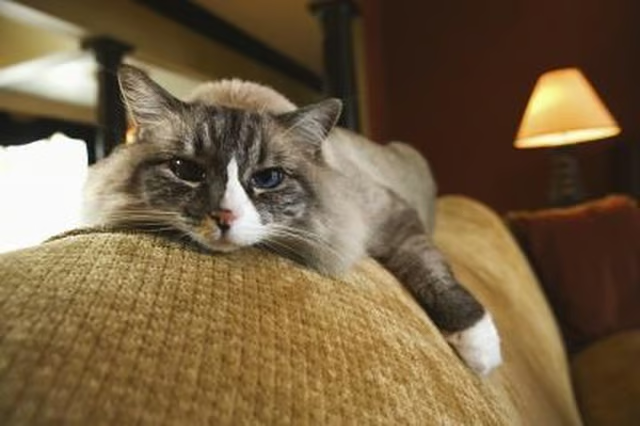
Once a rambunctious feline, Whiskers is now feverish and demonstrating odd behavior. Such symptoms could indicate an inflammation of the brain, known as encephalitis. This life-threatening condition of the central nervous system is the most common cause of neurological disease in cats.
Clinical Symptoms
Symptoms of encephalitis depend on the affected area of the brain. When the forebrain (cerebrum) is diseased, your cat may experience behavior changes like depression, blindness or even full-blown seizures. When the brainstem is affected, symptoms may include poor coordination or balance, facial paralysis, tremors or a head tilt. In most cases Whiskers will have a low-grade fever, often accompanied by decreased responsiveness. If an underlying condition is causing your cat’s encephalitis, the symptoms will become worse over time.
Causes
Encephalitis is divided into two basic types: infectious and idiopathic. Infectious causes may include viral infections such as feline immunodeficiency virus (FIV), feline infectious peritonitis (FIP) or rabies, anaerobic or aerobic bacterial infections, fungal infections such as blastomycosis, or cryptococcosis or parasitic infections such as cuterebra. When Whiskers's case of encephalitis has no known cause, his diagnosis is referred to as idiopathic encephalitis. While no infectious cause can be found in cases of idiopathic encephalitis, immune-mediated disorders are often suspected.
Diagnosis
As on most trips to the vet, you’ll most likely begin by providing a thorough history of Whiskers's health, the onset of symptoms, and any incidents that could have triggered your cat’s strange behavior. A physical exam will usually be followed by a complete blood count, urinalysis, and biochemistry profile. Signs of infections are typically conclusive with chest X-rays, lymph node aspirates or an abdominal ultrasound. If no systemic abnormalities are found, a spinal tap is recommended for diagnosis of encephalitis.
Treatment Options
If Whiskers is diagnosed with encephalitis, your vet may begin a course of antibiotics to help treat common infectious diseases. Severe symptoms may be reduced with the help of low doses of steroids. If your cat suffers from seizures related to his encephalitis, anticonvulsants may be prescribed. Idiopathic encephalitis is generally treated with high doses of the steroid prednisone, which helps to suppress the immune system. Whiskers's treatment will probably last from three to six weeks. While your cat’s daunting symptoms may decrease over time, his overall prognosis will ultimately depend on the underlying cause of his encephalitis.
Always check with your veterinarian before changing your pet’s diet, medication, or physical activity routines. This information is not a substitute for a vet’s opinion.
