


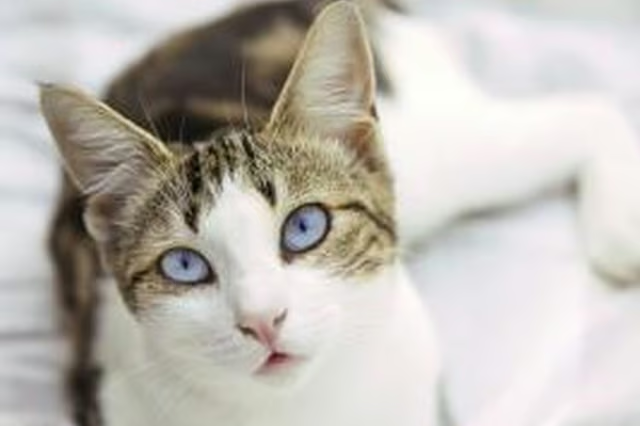
Unlike dogs, cats usually have a reputation for being independent, tough and cool-headed creatures. In spite of that, your sweet feline is also prone to the angst -- and possible behavioral issues -- of separation anxiety when you're away from home for days at a time on vacation.
Higher Risk
Some cats may be especially susceptible to separation anxiety issues when their owners are away from home. A cat may have such a problem if she was weaned early or perhaps even if she was separated very early on from mama. Some breeds are also more prone to separation anxiety issues -- Siamese and Burmese felines among them.
Before You Leave
Cats are intelligent and intuitive creatures. They often can sense when you're ready to leave and go on vacation. Things just feel different and chaotic, and the sight of a big, conspicuous suitcase in the middle of the living room floor is a pretty big hint, too! Look for telltale signs that your cat is upset about your departure, including yowling and meowing, hiding away and overall withdrawn behavior. Your cat may all of sudden start behaving in an especially clingy and needy manner, too. All of these signs point to a kitty that is very unhappy about being left alone.
When You Come Home
When you return home, your cat's behavior, appearance and environment will all be especially telling when it comes to her feelings regarding your absence. You will know instantly whether or not she enjoyed her time alone. Note whether your cat was uncharacteristically excited upon your return. Look around for signs of havoc around your home -- scratch marks on the furniture, shredded papers, fouled flower pots. Stressed-out kitties have an unfortunate tendency to avoid the litter box and go in the middle of your living room, instead.
Also closely monitor your cat's food bowls. If she was very upset and anxious, she may have forsaken eating entirely. She may have vomited if she's severely stressed. Finally, observe your cat's coat. When cats are anxious, they often over-groom due to nerves. With excessive licking, patches of hair tend to fall out -- yikes.
Health Problems
Never assume when it comes to the health and well-being of your dear kitty. Her stress and behavioral problems before and during your vacation may not be because of separation anxiety at all. Such behaviors could arise due to a variety of different health issues, including urinary tract infection, diabetes and kidney failure. Be safe rather than sorry. Your cat's behavior could be a cry for help.
How You Can Help Kitty
Learn from your kitty's difficult experience next time you go on vacation. If your cat indeed has separation anxiety, try to make your next absence as trauma-free as possible. Don't make a big production before you leave, for example. Keep the environment as stable and normal as possible so kitty doesn't feel confused and scared. Also make sure she has plenty of mental stimulation while you're gone. If your precious pet is able to focus on fun activities, she will have less anxiety time. Get her a scratching post. Buy some fun new toys for her -- think feather wands and toy mice. Keep the radio or TV on so your cat feels less alone. Last, if your pet's case is especially severe, consult your veterinarian about the possibility of administering anxiety-reducing medicines, if only for a brief period of time.
Always check with your veterinarian before changing your pet’s diet, medication, or physical activity routines. This information is not a substitute for a vet’s opinion.
