


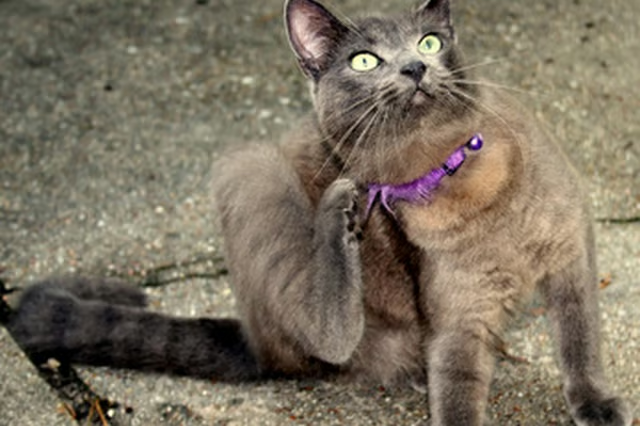
When your kitty scratches from dry, flaky skin, you want to comfort her, find the culprit and treat the condition. Cats are prone to skin irritations caused by diet, infections or environmental allergens. Find the cause of her dry skin so you can control the itching.
Step 1
Buy a humidifier and place it in the area in which your cat spends most of her time. Indoor cats are more likely to have dry skin because of a lack of humidity in the air. A humidifier may put enough moisture in the air to relieve the itching.
Step 2
Change your kitty's cat food. Lower quality cat foods contain meat meal and meat by-products such as the feathers, blood and bones of animals. Better quality cat foods contain lean meats, well-tolerated carbohydrates, fats for a healthy coat and a balance of vitamins and minerals. Quality cat foods for sensitive skin contain added fatty acids and vitamin E.
Step 3
Feed your cat the new cat food for 30 days. If the dry, flaky skin still exists, talk to your vet about trying a prescription cat food.
Step 4
Add a fatty acid supplement such as omega-3 fish oil and omega-6 found in cereal grains. The fatty acids act as a low-level anti-inflammatory agent to relieve dry skin. Before adding any supplements to your kitty's food, talk with your veterinarian.
Step 5
Visit your veterinarian. He will perform a series of blood tests, skin scrapings and intradermal allergy testing to see if your kitty is allergic to environmental allergens or she has an infection causing the dry skin.
Step 6
Give your kitty the veterinarian prescribed medication. Allergens cannot be defeated, but you can control the allergic reaction. If your kitty has an infection, medication will eliminate the condition and stop the dry, flaky skin.
Always check with your veterinarian before changing your pet’s diet, medication, or physical activity routines. This information is not a substitute for a vet’s opinion.
