


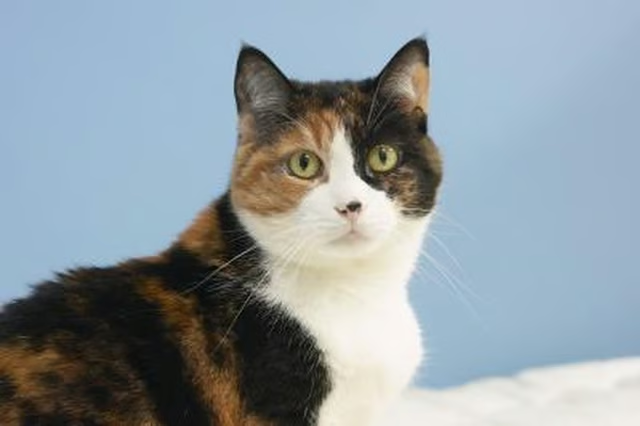
As you snuggle with your kitty, you lean forward to give her a nuzzle when ... WHEW! You catch a whiff of something nasty. This foul odor is an indicator of something amiss in your kitty's ear, and should be examined by a veterinarian to determine the cause and solution.
Ear Mites
Your cat's ears are the perfect place for a tiny ear mite to settle down and raise a family, or a few dozen of them. These parasites feed on the wax and oils in your cat's ears, creating a brownish, coffee-ground-like discharge that can give off a foul odor. Symptoms of an ear mite infestation, besides the smell and dirty ears, include head shaking and feverish scratching. Depending on the severity of the infestation, your cat actually may harm herself by scratching so fiercely because of the irritating itch.
Infections
A dark and warm cat ear is prime real estate for bacteria and yeast, which can flourish and thrive inside. These microscopic invaders cause ear infections, which can produce a nasty smell if they progress too far. If left too long, ear infections could damage your cat's hearing permanently, and require surgery to repair. A foreign object stuck inside the ear also can cause an infection, such as a plant seed.
Ruptured Abscess
As if infections and parasites weren't unpleasant enough, the smell emanating from your cat may be from a ruptured abscess. Cat ears are easy targets and prone to injury from fighting or overzealous scratching, and can develop an abscess, which contains pus and other infected fluids. They typically appear as a bump or pillow-like injury on or near the ear. You may not notice your cat even has an injury, especially if she has long hair, but you most likely will smell it once it ruptures and starts to drain. So, now you'll not only have to care for the open wound, but you'll have to wash the drainage from her fur.
Treatment
Getting rid of the stinky smell fouling up your snuggle time with your kitty means getting rid of the underlying factor that is causing it. Take your kitty to the vet to get an accurate diagnosis of the cause. Your vet will prescribe medication to eliminate the mites or infection, and recommend the proper treatment at home to help your cat heal and become distinctly less stinky as quickly as possible.
Always check with your veterinarian before changing your pet’s diet, medication, or physical activity routines. This information is not a substitute for a vet’s opinion.
