


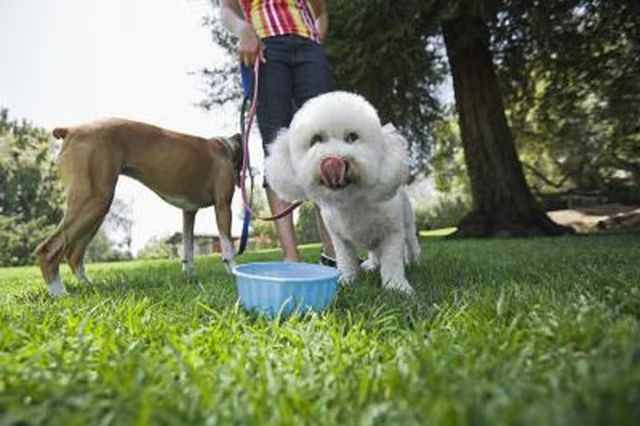
In putting together your doggie's diet plan, water is a very important component to consider. After all, just as for humans, H20 is the most vital nutrient for dogs, according to the Virginia–Maryland Regional College of Veterinary Medicine. Your dog requires constant access to water.
Water Bowl
Make sure the water bowl is always down on the ground for your doggie. If the bowl is on the counter, for example, your pet won't be able to access it—and it's crucial for dogs to always have plenty of clean water close by. Remember, water is every bit as necessary for your dog as his everyday meals are.
Refreshing the Water
Refreshing your dog's drinking water is crucial. Not only is it necessary to make sure you constantly replenish the levels, it's also necessary to clean out the bowl regularly. Make it a point to thoroughly wash out your dog's bowl once every morning—the last thing you want is for bacteria to develop inside it—yuck. Depending on your dog's water intake, change his water a minimum of two to three times per day as well.
Dehydration Risk
If your poor pooch doesn't have water close to him at all times, you run the risk of his becoming dehydrated, especially during the scorching hot months of the summer. Excessive loss of fluids within the body can bring on life-threatening consequences, so it is essential to make sure that your dog always has enough water, whether he's a young puppy, sage senior or anywhere in between.
Veterinary Help for Non-Drinking Dogs
Even if your dog always has sufficient water in front of him, you can't always "make" him drink it if he doesn't want to. If you notice that your dog seems to have zero interest in the water bowl in front of him, schedule an appointment with the veterinarian immediately, and keep your eyes open for hints of insufficient water intake and dehydration, including unusual panting, exhaustion, dryness of the gums and appetite loss. Elderly dogs sometimes experience reduced thirst, so pay close attention.
Always check with your veterinarian before changing your pet’s diet, medication, or physical activity routines. This information is not a substitute for a vet’s opinion.
