


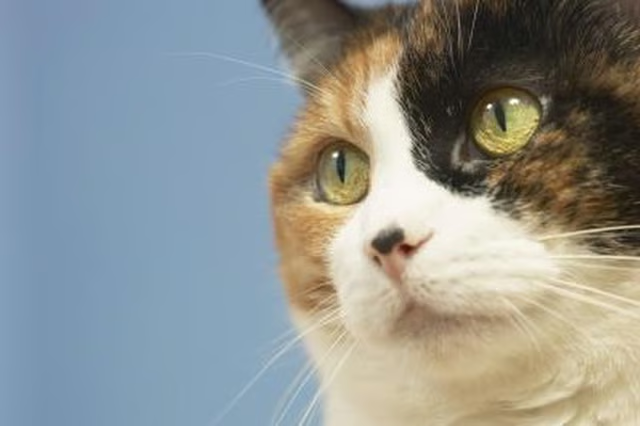
Don't worry if your cat's fur changes color -- it doesn't mean he's sneaking out for dye jobs. It's perfectly natural for his fur to change color here and there, because just like you, his appearance is affected by his environment.
Skin Temperature Changes
Your cat's fur color can be influenced by the temperature of his skin, so the changing of the seasons can affect his coloration. This is apparent in some breeds more than others -- Siamese cats, for example, get their trademark dark and light color patterns because of their skin temperature. A cat's fur is generally lighter when the skin is warm and darker when it's cool, so don't be surprised if his shade turns lighter during warmer months and darkens up in the winter.
Illness
Changing fur color can indicate illness in some cats, so if you notice that he's taking on a new hue, keep an eye out for other symptoms. Color-changing alone isn't necessarily cause for concern, but when combined with other symptoms, it can spell trouble. Tumors, cysts, inflammation, hormonal imbalances, jaundice and diseases like Cushing's disease can all cause the fur to change color, so monitor your cat's behavior and general well being when you see him changing shades.
Sunlight
When you go outside in the summer sun, you're skin gets darker and your hair gets lighter -- and your cat is no different. If you have a cat that balances and indoor and an outdoor life, or he just likes sunning himself in front of an open window all afternoon, his fur is liable to lighten up like he's a Southern California surfer. It's not a sign of anything dubious -- just an appreciation for soaking up some UV rays.
Age
Some cats go gray a little as they age, just like some people do. It may not be as dramatic as going all "silver fox," but you may notice that your older cat's fur is lightening up and turning a bit bland. Dull, washed-out hues come with age, and if you have a black cat, you may see some gray hairs popping up here and there. Don't feel bad for the little guy, though -- some might say that he just looks more distinguished.
