
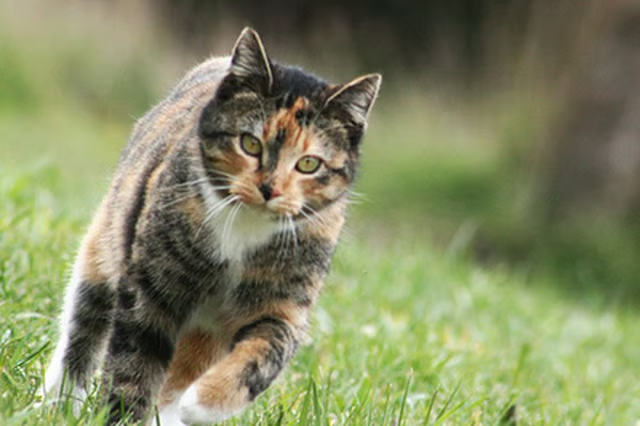
Despite their sly, slinky gait, cats can develop hip problems. Various congenital and contracted conditions cause pain and mobility issues -- some acutely, some chronically. If you suspect your cat has hip problems, schedule a veterinarian appointment and minimize his activity in the interim.
Types of Hip Problems
Although somewhat uncommon, hip problems related to injury, genetics, age and obesity pose similar challenges for cats. From strains and sprains to fractures, hip injuries run the gamut. Movement may compound pain and inflammation. Hip dysplasia, a ball-and-socket misalignment, has a genetic component. It's particularly prevalent among larger cats, like Maine coons.
In terms of age, a cat's joints naturally deteriorate as he ages. In advanced cases this is called degenerative joint disease, also known as osteoarthritis. It often strikes older cats' elbow joints.
As for obesity, a cat's weight can cause or exacerbate any type of hip injury.
What to Watch For
Regardless of the cause, most cats' hip problems involve worn cartilage or misalignment that cause bone to rub against bone without protective tissue. And it's painful. Watch your cat's movement, especially when he crouches or stands.
Acute pain is usually indicative of acute injury. Overall stiffness, swelling of the joints, lethargy, lameness, decreased flexibility and discomfort in certain positions are hallmarks of arthritis, according to the American Society for the Prevention of Cruelty to Animals. These symptoms also overlap with other hip problems, too.
Hip Problems and Lifestyle
Cats with hip problems should avoid leaping, jumping and turning. Play, i.e. exercise, is especially important for cats with obesity-related hip problems, so make sure to facilitate low-impact activities.
If your cat has chronic hip problems, consider cutting out the front of her litter box to ease access. Consider placing food and water bowls so your cat can eat or drink while standing up to minimize bending stress.
Soft, cushiony bedding will make your cat more comfortable.
Hip Problems and Medicine
Consult your veterinarian about medical hip problem treatments.
Following a general examination, an orthopedic exam or X-ray may be required to determine a diagnosis or treatment plan.
Your vet may recommend medicine or nutritional supplements to ease your cat's pain, reduce inflammation or increase joint lubrication or cartilage regeneration. Some of these are commercially available; others require a prescription.
In extreme cases, surgery, such as bone fusion or joint replacement, may be necessary. Reasonable quality of life is generally the guiding factor.
Always check with your veterinarian before changing your pet’s diet, medication, or physical activity routines. This information is not a substitute for a vet’s opinion.
