


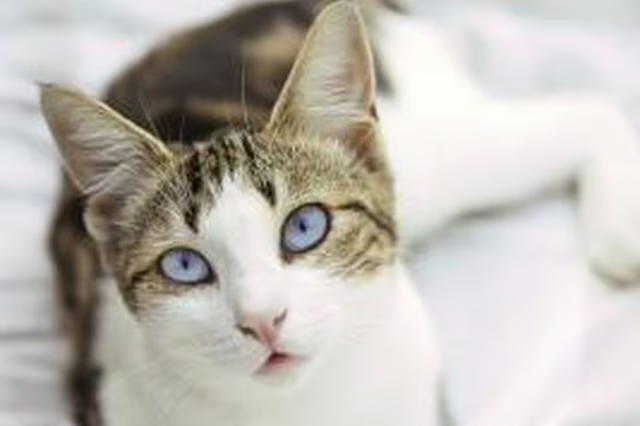
If you suspect your precious kitty is coming down with a cold or flu, its illness might be neither: The symptoms of feline herpes often very closely mirror those of the aforementioned ailments. When your cat has herpes, your knowledge about the condition becomes your power.
Prognosis
Although feline herpes isn't curable, the good news is that with proper management, infected adult cats can live long, healthy and peaceful lives. The condition generally does not affect a cat's lifespan, so if your pet has contracted it, there is no need to panic or freak out. Speak to your veterinarian about what you can do to keep your cat's life as healthy and pleasant as possible, from minimizing flare-ups to handling uncomfortable respiratory symptoms.
Kittens
On the other hand, herpes can be deadly for wee kittens. A couple of the main symptoms of the virus are nasal drip and congestion, both of which can cause appetite loss and exhaustion. If a small cat stops eating, the consequences can be fatal. The condition affects the immune system and makes kittens prone to dangerous bacterial infections. Immediate veterinary attention is an absolute must during outbreaks.
Symptoms
If you're worried that your cat might have herpes, first learn the telltale symptoms. Some key signs of feline herpes include appetite loss, drooling, sneezing fits, exhaustion, fever, depressed behavior, nasal drip, severe thirst, tongue ulcers and panting. Consider whether your cute kitty is especially at risk, too. High-risk cats are those that typically live amongst other felines in cramped environments. The more stressful your cat's surroundings are, the more fragile her immune system will be.
Treatment
As mentioned previously, with the right treatment -- and the right attitude on your part -- your infected cat can live as happily and healthily as before. Never get lazy when it comes to your little one's health. Regular veterinarian visits are vital. To keep outbreaks as comfortable as possible, request antibiotics for your pet. For your fluff ball's immune system, consult your veterinarian about possible nutritional supplements. The better health your cat is in, the less flareups she -- and you -- will have to experience.
Always check with your veterinarian before changing your pet’s diet, medication, or physical activity routines. This information is not a substitute for a vet’s opinion.
