


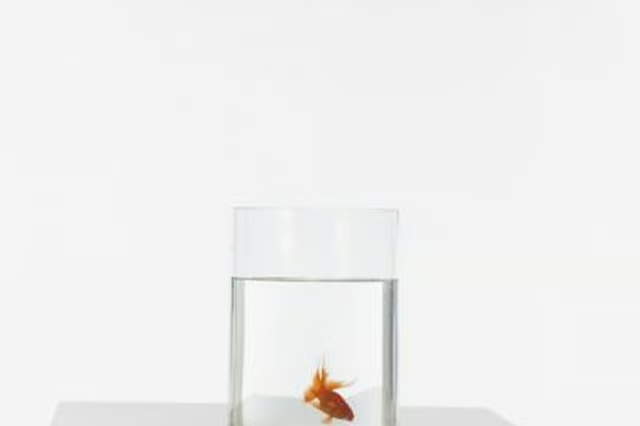
Calcium deposits are caused by minerals in the water where your fish live. They may form into a crust or develop into streaks on the glass walls. You can remove hard deposits from your tank without putting your fish in danger with chemicals.
Fish in the Tank
Step 1
Rinse your aquarium scraper with clean water so that there are no chemicals or possibly harmful dirt particles on it when you place it in your aquarium. Insert the aquarium scraper in the water. Make sure all the fish get away from the scraper and do not scrape against the tank if fish are in the immediate area of the scraper.
Step 2
Scrape the walls of the tank with the moderately sharp end of the aquarium scraper to remove as much of the hard calcium from the tank walls. Use caution not to press so hard on the scraper that you damage the glass.
Step 3
Observe your tank to make sure all of the calcium you have scraped off the walls of the tank gets filtered out by the tank filter. Scoop out any large pieces of calcium debris with a small net.
Fishless Tank
Step 1
Remove the fish from the tank if you feel you can not remove the hard calcium deposits safely or completely without contaminating the water in the tank. Place them in a properly prepared spare aquarium while you clean the tank.
Step 2
Apply a small amount of lemon juice or vinegar to a washcloth and scrub the hard calcium buildup away; use lemon juice and vinegar to clean; they are nontoxic and will not harm your fish if a small amount of residue is left after cleaning.
Step 3
Rinse the tank out completely and replace the water.
