
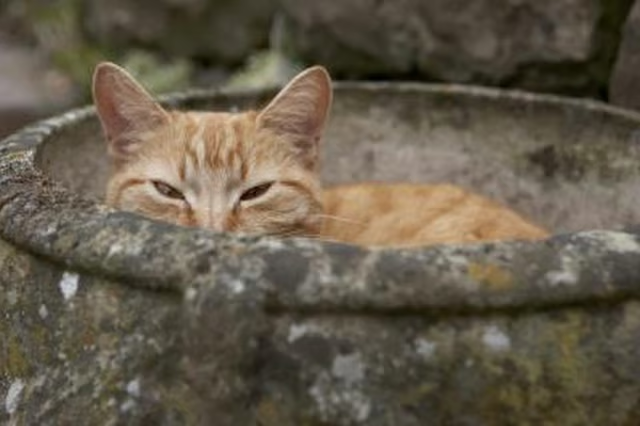
She hasn’t been outside since her brief escape three months ago, yet Miss Kitty is acting suspiciously pregnant -- carving out a quiet place in your closet, acting supremely affectionate, and even lactating! If you’re sure there’s zero possibility, relax. Although more common in dogs, cats also experience false pregnancy.
Symptoms
Many symptoms are the same as if she were pregnant -- swollen and pink nipples, swollen abdomen, lack of heat cycle and extremely affectionate behavior. She might even produce milk! In addition, your kitty might “mother” shoes and toys, and begin to make a nest by shredding up paper or moving blankets to a secure location. She might show signs of illness such as lethargy or vomiting. If so, consult your veterinarian to ensure that nothing else is wrong.
Causes
While the exact causes of false pregnancy are unknown, imbalances of the hormones progesterone and prolactin are thought to play a major role. If Kitty mates with an infertile male, her body still ovulates and produces progesterone. In rare cases, hypothyroidism can stimulate the production of prolactin, which can imitate pregnancy symptoms. On occasion, though, Kitty can even release eggs for no apparent reason.
Diagnosis
Your vet can tell whether your cat is really pregnant. He’ll perform a physical exam, get her complete history and palpate the abdomen. Blood tests, X-rays and ultrasounds will help determine if there’s an underlying condition causing her symptoms and whether or not she requires treatment for anything.
Treatment and Management
Most cats improve within about three weeks without treatment. If symptoms do persist or are extreme, your vet might recommend hormonal supplements, a cone collar to prevent licking that can stimulate lactation, or warm and cold packs to minimize lactation. Spaying your cat is the best way to prevent recurrence of false pregnancy symptoms, although you will generally have to wait until her symptoms subside.
Always check with your veterinarian before changing your pet’s diet, medication, or physical activity routines. This information is not a substitute for a vet’s opinion.
