
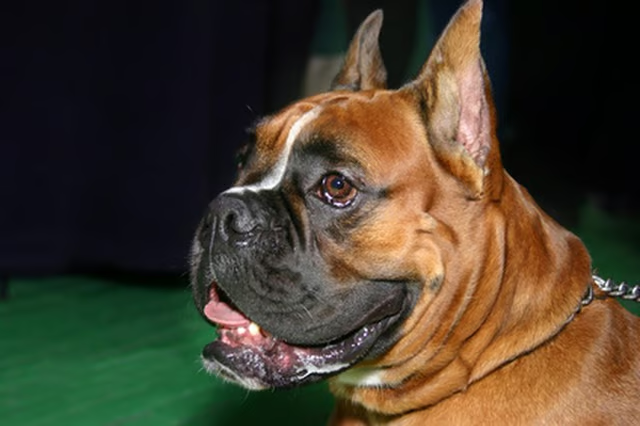
The boxer has a lovable personality accompanied by struggles with the digestive tract. He's a canine version of that older uncle who burps from both ends at family gatherings and ends up taking a nap after a meal. Feeding boxers small meals alloting plenty of digestive time helps curb trouble.
Bloat/Gastric Torsion
Bloat, a trapping of the gases produced during the digestive process, is a very common ailment in boxers. Symptoms include some minor discomfort and an overly full sensation accompanied by a lack of energy similar to what a human experiences when he has eaten a bit too much. When these digestive gases do not properly exit the dog's system, they can cause the stomach to increase in size. Some cases of bloat quickly resolve with the dog passing gas and becoming the butt of stinky jokes. However, in more dangerous situations, the dog's life can be in danger as a deadly condition known as gastric torsion develops. This is when the dog's stomach has significantly enlarged and actually flipped itself. This action completely cuts off the escape route for gases as well as any blood flow to the stomach. The dog experiences severe pain and abdominal swelling. Immediate surgical intervention is required.
Stomach Extension
In veterinary terms, this is known as pyloric stenosis. It is a life-threatening condition associated with boxer dogs. In this disorder, the pylorus or the opening between the stomach and the small intenstine protrudes past its usual connective boundary. This prevents the appropriate depositing of processed food into the small intestine. It also requires immediate veterinary attention to correct.
Inflamed Bowel
Known by veterinary professionals as histiocytic ulcerrative colitis, this is one of the most painful digestive tract ailments experienced all too regularly by boxer dogs. It is similar to inflammatory bowel disease in humans. Inflammatory bacteria attack the lining of the dog's digestive system, often leaving behind a series of sores that never fully heal and become easily irritated. Stomach upssent and general discomfort occur after eating, when gastric juices are produced. Other symptoms include chronic diarhea, vomiting and weight loss. A combination of medications aimed at reducing the inflammation as well as changes in diet can help manage this disease. However, once developed, a boxer remains prone to this type of stomach upset and will require regular monitoring.
Pancreatitis
This is an inflammation of the pancreas in which the digestive enzymes produced by the pancreas backfire and attack the organ itself. The same enzymes that normally break down food actually begin to digest the pancreatic tissue and the tissue of other nearby organs. It is an extremely painful disorder that is critically life-threatening requiring immediate and intense veterinary intervention. The dog must be taken off food and water and given intravenous fluids to maintain electrolyte and potassium levels while the pancreas is forced to rest from any digestive activity.
Always check with your veterinarian before changing your pet’s diet, medication, or physical activity routines. This information is not a substitute for a vet’s opinion.
