


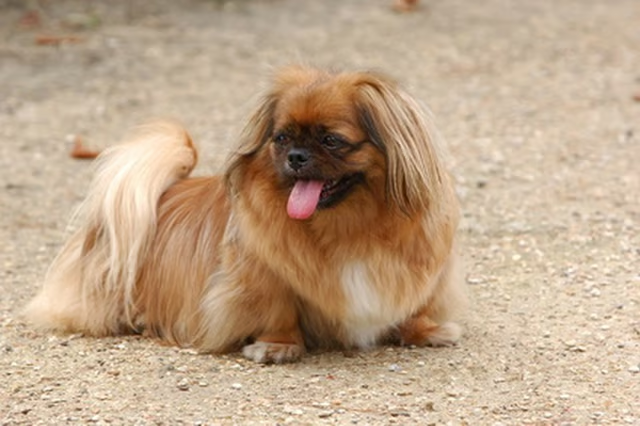
Long prized as pets by Chinese royalty, Shih Tzus make wonderful family members due to their affectionate, happy and playful personalities. This toy breed's list of breed-specific ailments is fairly short, but their pushed-in faces and large, round eyes combine to cause a few common eye problems.
Dry Eye
Many Shih Tzus suffer from dry eye, or keratoconjunctivitis sicca (KCS). This common ocular disorder is caused by an inadequate production of tears. The resulting dryness can invite scratches and damage to your dog's conjunctiva and cornea. Although this eye problem often causes corneal ulcers or blindness if left untreated, it is fortunately simple and inexpensive to diagnose and manage. Most affected dogs respond well to medicated, lubricating eye drops. However, your Shih Tzu will likely need these drops for the rest of her life. The primary symptom of dry eye is excessive eye discharge, frequently leading to a lot of goop building up on the corners of your dog's eyes. The primary causes of dry eye in Shih Tzus include breed predisposition and immune-system issues.
Ingrown Eyelashes
Distichiasis is perhaps the most common eye problem affecting the Shih Tzu breed. This condition occurs when an extra row of eyelashes grows along the inner edge of the eyelids. If these extra eyelashes turn inward, the little hairs irritate your dog's cornea every time she blinks. According to the American Kennel Club's Canine Health Foundation, symptoms of distichiasis range from none to the formation of severe corneal ulcers. Some dogs experience mild tearing, squinting or accumulated mucus in the corners of the eye. Vets diagnose distichiasis by examining your dog's eyes under magnification. For a mild case of ingrown eyelashes, your vet will likely prescribe an antibiotic ointment. More serious cases might require the surgical removal of the extra eyelashes.
Corneal Ulcers
The Shih Tzu's slightly bulging eyes puts it at greater risk of developing corneal ulcers, or ulcerative keratitis. This eye condition can be caused by untreated dry eye, eyelid abnormalities, foreign objects scratching the eye, exposure to the wind or other eye traumas. Some signs of corneal ulcers include sensitivity to bright light or sunlight, constant blinking, squinting, redness and eye discharge for longer than a day or two. Call your vet as soon as you notice corneal ulcer symptoms. While untreated corneal ulcers sometimes lead to blindness, this condition can be successfully managed if caught promptly and treated with prescription antibiotic eye drops.
Tear Staining
Tear staining, also called epiphora, might be caused by excessive eye drainage, increased tear production or entropion, a condition that occurs when the inside corner of the eyelid rolls inward. The dark pigments in the tear fluid stain the area around the dog's eyes, and these stains really stand out on a Shih Tzu's light fur. Regular grooming and daily face cleaning helps prevent tear staining. The American Kennel Club recommends giving your Shih Tzu a "puppy cut" so the hair doesn't get into her eyes and trigger increased tear production. Severe tear staining might necessitate corrective surgery.
Always check with your veterinarian before changing your pet’s diet, medication, or physical activity routines. This information is not a substitute for a vet’s opinion.
