


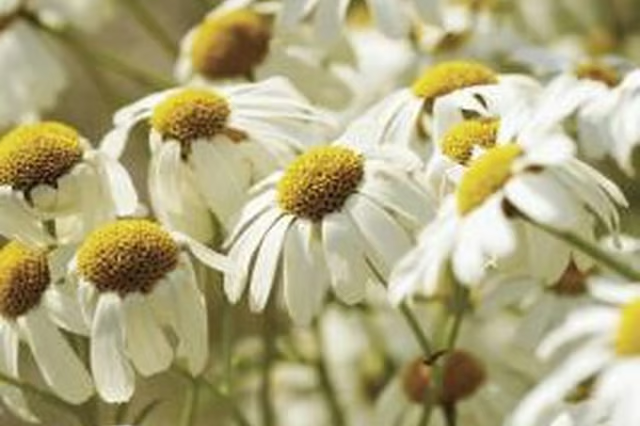
Chamomile is very soothing. This flower calms your stomach, your skin and even your nerves. It can do the same for your kitty. Give it carefully, though, because cats need much, much smaller doses than do humans and even dogs.
Plant
Even though chamomile has healing properties, it's not good for your cat to eat or chew on the plant. The oils coming straight out of the plant are concentrated, and there would be no real way to know how much your cat had ingested.
Eating a chamomile plant can give your kitty diarrhea, vomiting, and a lack of appetite. It can also irritate the skin around his mouth. If he chews chamomile all the time, he could develop bleeding problems.
Tea
When brewed into a tea, dried chamomile can be safe for cats in small amounts. The tea can be given by mouth for an upset stomach or to calm your kitty's nerves. Give about 1/2 tsp. to an average-size cat.
Chamomile tea can also be used to soothe your kitten's irritated skin. First make sure the tea is cool, and then dab it on with a cotton ball, or put it in a spray bottle and spritz it onto the skin. It's also good for cleaning your cat's ears. Mix the tea with a little bit of white vinegar and use a cotton ball to clean out the gunk.
Liquid Extract
Chamomile extract can be used just like tea for stomach upset, anxiety or skin problems, but give your cat a much smaller amount of extract. To treat your cat internally, mix about six drops per day into his food. To use extract on the skin, mix it with water and then apply it.
Hydrosol
Chamomile hydrosol is the condensed steam left over from making chamomile oil. Because it's already diluted, it's all right to use it full-strength on the skin.
Chamomile hydrosol is also good for aromatherapy. A light spritz in the air can help calm your cat's nerves. However, it's not meant to be taken internally, and it shouldn't be added to food or water.
Always check with your veterinarian before changing your pet’s diet, medication, or physical activity routines. This information is not a substitute for a vet’s opinion.
