


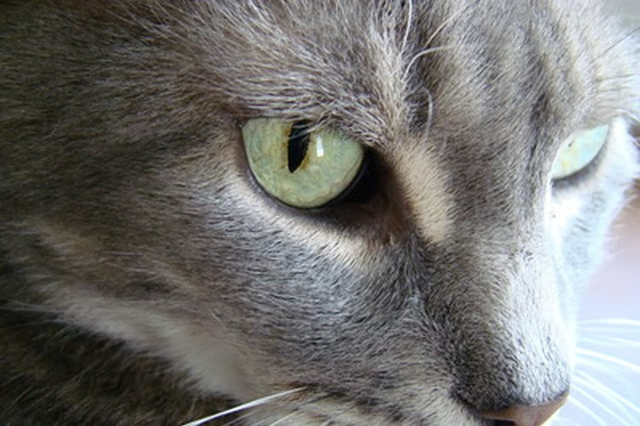
Cats' cheeks are more than just cute and fluffy. They contain glands that cats use to deposit their unique scent. While people can't pick up this distinct fragrance, it's essential feline communication. By rubbing his face against a surface, your cat is laying claim to his space, his pack, even to you.
Rub-and-Sniff Calling Card
When your kitty rubs his cheeks against your furniture, your walls, your doors and just about every other object he comes into contact with, he's marking it as his own. Marking lets other cats know the space is claimed and, in a friendly way, tells other cats who and where he is. “It’s like leaving a calling card,” according to certified animal behavior consultant Pamela Johnson-Bennett.
Finalizing Adoption
Face-rubbing releases pheromones, which also promote a sense of comfort and wellbeing in the cat -- and often, the target of its affection as well. When your cat chooses to rub against you, he's saying "You're mine," and demonstrating affection at the same time. That bristle of whiskers and soft fur is your kitty's way of saying hello and confirming you're part of his family.
Forming the Cat Pack
Cats will bond by rubbing their cheeks, faces and paws against each other in a way that allows them to exchange scents. In a happy multi-cat household where your kitty siblings choose to share their space, they will deposit the scents of all the accepted felines, both around the house and on each other.
Smoothing the Transition
Your cat's potential to rub his face in a new place can make changes easier for both the kitty and for you. When you get a new piece of furniture you want to share with your cat, try rubbing your cat's cheeks with a dry cloth and then rubbing the new item so your kitty will know this new piece is his, too. To calm your cat down, offer him the ultimate in feline massage: a forehead and cheek rub.
Always check with your veterinarian before changing your pet’s diet, medication, or physical activity routines. This information is not a substitute for a vet’s opinion.
