


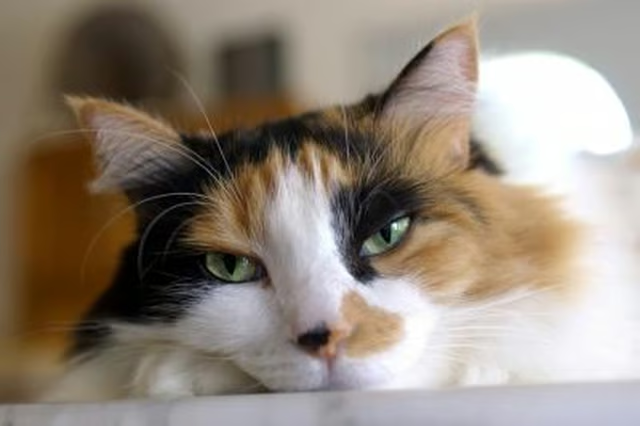
Despite their independent, tough and stoic reputations, cats are highly emotional and sensitive creatures. They get attached to people, places and things, and are also very routine-oriented animals. When a feline experiences the loss of a beloved owner, severe stress, anxiety and confusion are all very typical reactions.
Telltale Signs
Cats grieve in a way that is very noticeable. Some typical reactions to the loss of an owner include attempts to escape, loss of appetite, problems using the litter box, inability to sleep normally, hiding, urine spraying, frequent vocalization, restlessness, excessive grooming, shaking, loss of interest in playtime and toys and searching relentlessly for the missing person. If you notice any of these heartbreaking behavioral patterns in a kitty, she indeed is mourning the absence of her owner. She likely is confused, nervous and lonely and doesn't understand why her favorite person just isn't coming back.
Other Cases
In other cases, a cat may simply behave like nothing has changed. The grieving process of felines truly is a case-by-case matter, depending on individual temperament and circumstances. Some cats will continue on with their daily routines as if nothing has happened. In these types of situations, unawareness may truly be bliss.
Support
When a feline's world is turned upside down by loss, the only thing you can do to help is support her and be there for her -- not unlike you would for a human. Try to maintain the sweet kitty's routine as much as possible. Cats are, simply put, not fans of change, so the more stable you can keep things, the better. Play with your cat to help her let off steam and focus her brain. Allow her to sleep with one of her owner's possessions -- say a sweatshirt -- so she can get his scent. Comfort is key.
Medical Attention
If a grieving cat is refusing to sleep or eat for an extended period of time, seek out veterinary attention as soon as possible. The behavior changes could also be an indication of an underlying health condition. Also, when cats are especially anxious, lonely and nervous, it often manifests itself in physical signs -- think lesions, sores and fur loss due to over-grooming.
Always check with your veterinarian before changing your pet’s diet, medication, or physical activity routines. This information is not a substitute for a vet’s opinion.
