
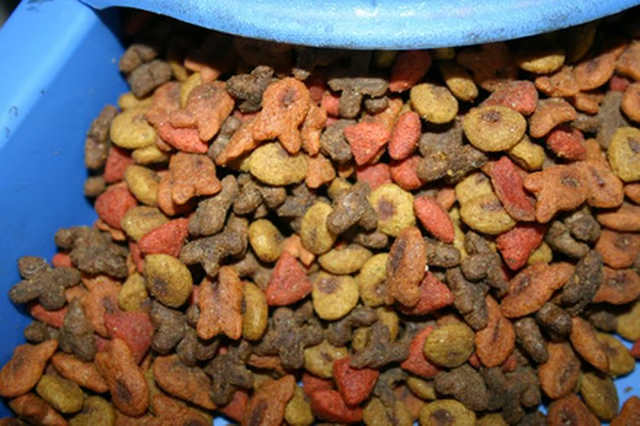
Turn over a bag of cat food to read the fine print and you may see some disturbing ingredients. Many brands have ingredients like corn meal and meat by-products. These substances lack in nutrition and can cause digestive distress for cats with sensitive stomachs. By offering better-quality food, owners can keep cats with sensitive stomachs and hairball purring.
Veterinarian Formula Foods
Veterinarians will offer or recommend high-quality cat foods. Some major name brands like Purina, Royal Canin and Hill's Science Diet, make special vet diet formula foods that are not sold in commercial stores. Ask your vet for a food specifically for cats with sensitive stomach and hairball issues.
Natural Cat Foods
Natural cat foods are increasingly popular as owners have become more aware of the unsavory ingredients in commercial cat food. If your local pet store doesn't offer natural food, find it at a specialty pet store or online. Wellness, Innova and AvoDerm are popular brands of natural cat food. Sensitive cats often do best with food that is low-carb or no-carb. Look for grain-free varieties of natural cat food. Many natural cat food companies make food that is specifically formulated for cats with hairball issues.
Homemade Cat Food
Making your own cat food is another option for cats with sensitive stomachs and hairball issues. Creating and feeding your own blend of cat food ensures your cat is getting necessary nutrition. Homemade cat food spoils more easily, but you can freeze portions for later use. You can cook the cat food or feed it raw. Educate yourself about the process to be sure your cat is getting nutritional balance.
Ingredient-specific Allergies in Cats
Like their human companions, some cats are allergic to specific ingredients commonly present in foods. For example, a cat with a seemingly sensitive stomach may actually just be allergic to soy. Check the label on your cat food for these common ingredients: wheat or grain, soy, eggs, carbohydrate fillers, meat by-products, dairy products, food additives and artificial preservatives. Consult with a vet if you think your cat may have a food allergy.
