


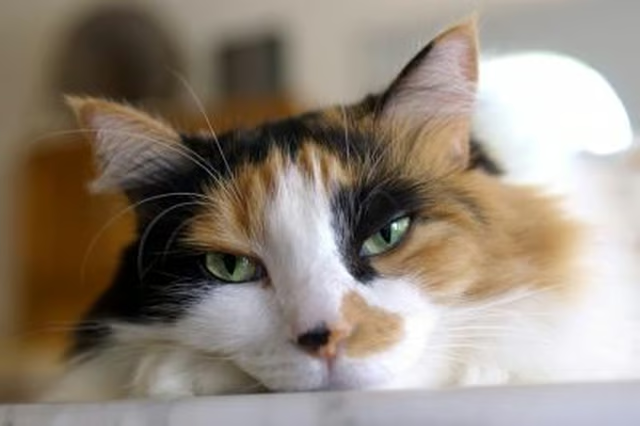
Some people who believe they're allergic to cats are actually allergic to the litter and not the pet -- good news for animal lovers everywhere. Luckily, litter allergies are easily managed by switching to a hypoallergenic litter, isolating the allergen and taking steps to minimize allergen exposure.
Significance
Cat litter can be a major source of allergic reactions from dust residue, dust mites, fragrances or chemicals. Scooping litter, clumping litter and highly scented litter tend to cause allergies from the fine particles. Clumping litter often contains sodium bentonite, which swells when wet and can irritate your lungs if inhaled.
Symptoms
General symptoms of cat allergies include sore or scratchy throat, trouble breathing, watery eyes, itchy eyes, itchy skin and sneezing. If you have these symptoms, you could be allergic to your cat, cat saliva, cat dander, cat urine or cat litter. An allergist can narrow down your specific allergies and offer home-cleaning advice to minimize your exposure to cat allergens including litter.
Litter Types
Perhaps you know if you're sensitive to dust or to fragrances. Cat litter is likely not the only problem area for you. If you use a fragrant litter and suspect fragrance sensitivity, switch to an unscented type. So-called pearl litter, pine litter, corn litter or cat litter made from newspaper creates little to no dust. These should not trigger your allergies. If you're not sure whether it's dust or fragrances causing your allergies, test out different litters until you find one that works well.
Reducing Allergic Reactions
Dust mites occur throughout the home, not just in cat litter. Try an air purifier with a HEPA filter to reduce dust mites and clean surfaces including rugs and bedding regularly to reduce dust. Place the litter box in a well-ventilated area so odors can escape, but avoid highly trafficked areas (like your bathroom) to reduce exposure to kitty litter. If possible, have someone else change the litter box.
