


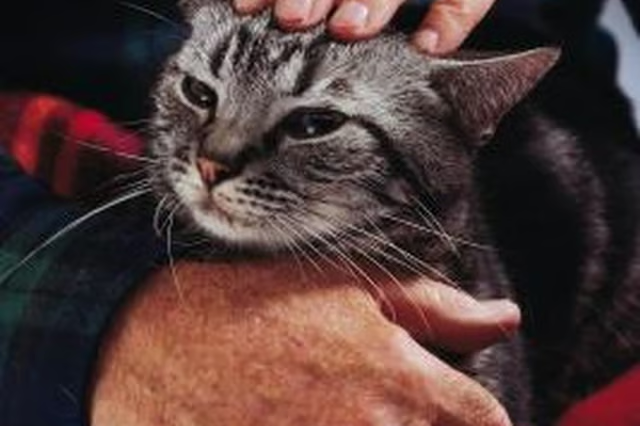
If you've noticed that your kitten has been experiencing breathing difficulties, don't rule out the possibility of asthma. Just like adult cats, young ones often experience the uncomfortable chronic inflammatory condition. Thankfully, many treatment options are available to keep asthmatic kittens healthy, happy and relaxed.
What Is Feline Asthma?
When an asthmatic kitten comes into contact with a specific allergen, her lung passageways become significantly narrower. By obstructing airflow, this tightening may trigger breathing difficulties in the cat. Some common asthma-provoking allergens in cats include dust, litter, pollen, grass, parasites, cold air, smoke from tobacco, dust mites and various food items.
Symptoms
If you're worried that your fluff ball may be experiencing an asthma attack, it is vital to be able to recognize key signs of the condition. Some telltale symptoms of an asthma attack are difficulty breathing, fast breathing, wheezing, excessive coughing, blueness or paleness of the gums and lips, exhaustion, panting, appetite loss, problems with physical activity and breathing with the mouth open. In the event of any of these potentially dangerous symptoms, take your precious pet to the veterinarian for an examination as soon as possible. Without treatment, feline asthma can be fatal, so don't ever wait around.
Treatment
Although feline asthma doesn't have a cure, it can usually be managed successfully, just like asthma in humans. A variety of options are available for treating asthma in kittens, most notably corticosteroid medications, which aim to minimize bronchial inflammation. Along with these anti-inflammatory drugs, bronchodilators are also commonly used for making breathing easier by encouraging muscle relaxation. Antihistamines are also sometimes used to treat feline asthma's symptoms, particularly nasal congestion as a result of allergen exposure.
Attack Prevention
At home, you can help reduce your kitty's asthma-induced discomfort in a variety of relatively easy ways. First, keep your little one away from all smoke, whether it comes from your fireplace, tobacco or elsewhere. On a regular basis, replace your heating filters. Deep-clean your home to ensure no mold lingers. Vacuum frequently to get rid of all traces of pesky dust mites. Also, avoid using clay-based cat litter that may encourage dust. If and when your kitten experiences an asthma attack, think of all the factors that may have contributed to it to figure out what you can do to keep it from happening again. Remember, your kitty's health is more than worth it.
Always check with your veterinarian before changing your pet’s diet, medication, or physical activity routines. This information is not a substitute for a vet’s opinion.
